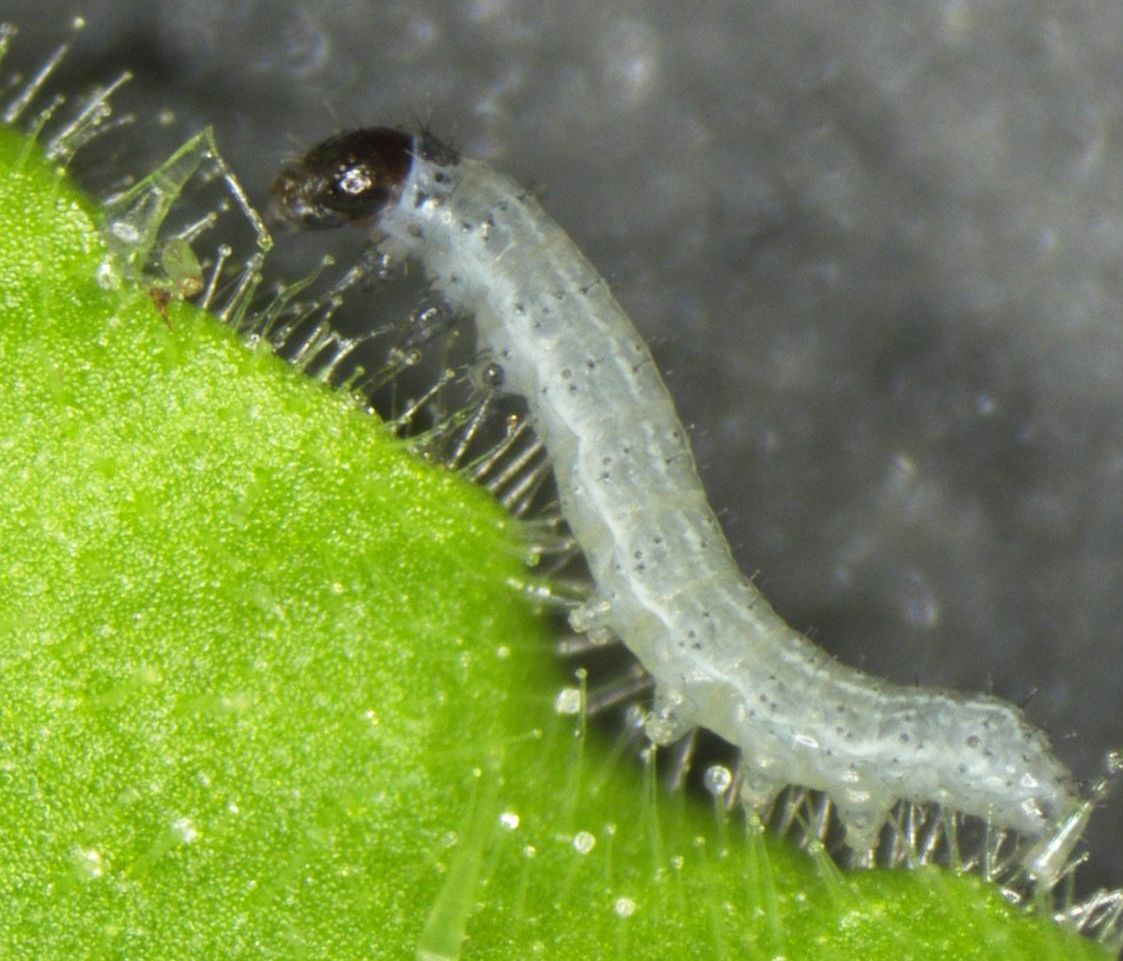

Exploring plant immune systems at the University of Washington
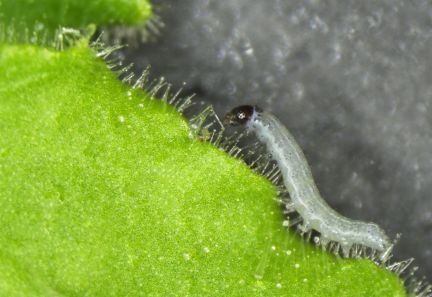
Immune Recognition in Plants
We study the function and evolution of plant immune systems, focusing on front-line receptors to detect threats
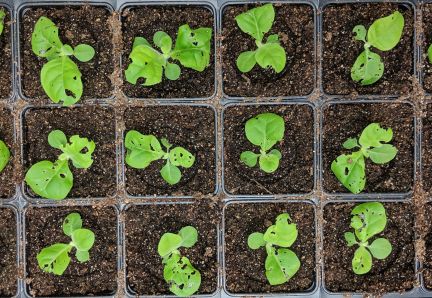
Molecular Genetics of Plant Immunity
We use tools and approaches from genetics, genomics, biochemistry, and molecular biology to study immunity in crops and model plant species
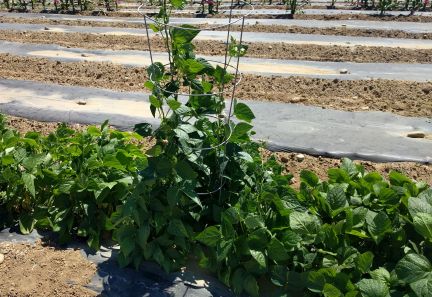
Combating Pests in Agriculture
Our work inspires strategies to protect crops against emerging pests and pathogens
For more on our research and scientific questions, including publications by topic, please visit the research page .
Contact the lab
Adam Steinbrenner
astein10 /at/ uw.edu
@ADSteinbrenner
Latest news
New work in Science Advances
🎉 Natalia’s paper is out in Science Advances here! Using lab and field experiments in Mexico, the team showed that the inceptin receptor (INR) in common bean does more than amplify the wound response: recognition of inceptin activates an herbivore-specific pathway that releases a distinctive volatile blend, recruiting predatory wasps that remove caterpillars from the plants. Thanks to collaborators Patrick Grof-Tisza, Carla Arce, Eric Schmelz, Ted Turlings, and Betty Benrey. Congrats Natalia, Brian, Woody, Tonio, and Ben!
BAT preprint on bioRxiv
Ben, Brian, and Adam posted BAT, an integrated pipeline for gene tree construction, annotation, and functional inference, on bioRxiv here. Congrats Ben!
Ekkachai Khwanbua joins the lab
Ekkachai Khwanbua joins the lab as a postdoc, coming from his PhD in Plant Pathology at Iowa State University. Ekkachai is excited to learn more about plant receptor biology, including receptor-like proteins (RLPs). Welcome Ekkachai!
New work in PLOS ONE
Brian’s paper on natural variation in INR is out in PLOS ONE here! Some common bean landraces are insensitive to the caterpillar peptide In11. Brian, Wes, Tonio, and Ava found that this variation tracks with the expression level of INR, linked to promoter variation, rather than with changes in the receptor’s coding sequence. Congrats Brian and team!